
1. Specifications of Children’s Hair Accessories
When venturing into the children’s hair accessories market, grasping the specifications of these products is vital.
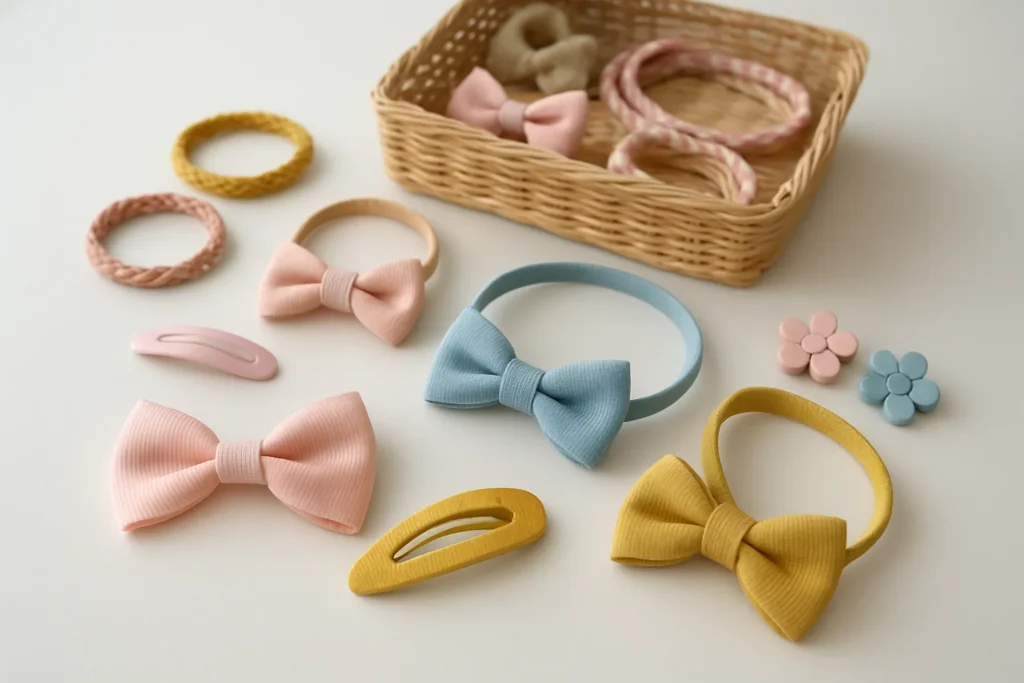
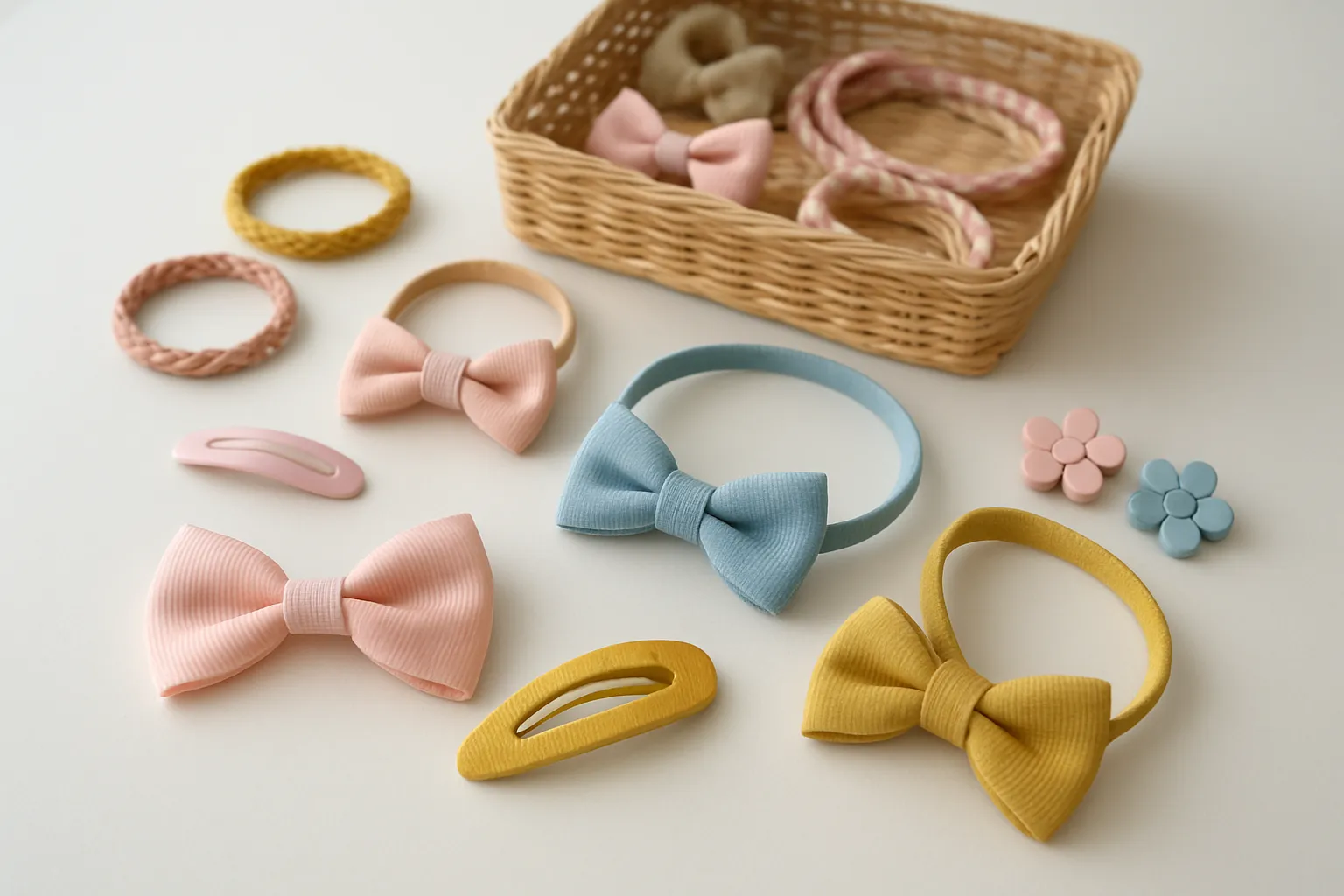
- Material Types: Accessories come in various materials, including fabric, plastic, metal, and rubber. Each type offers distinct benefits such as durability, flexibility, and skin sensitivity. For instance, soft fabric headbands are often favored for comfort. Sturdy clips are chosen for their ability to hold hair securely.
- Safety Standards: Safety is paramount for children’s products. Accessories must adhere to strict safety regulations to prevent choking hazards and ensure non-toxic materials. Retailers should prioritize sourcing products that comply with these standards to build trust among parents.
- Age Appropriateness: Different age groups have unique needs regarding hair accessories. For example, toddlers may need softer, more flexible options. Older children might gravitate towards trendy designs. Understanding age appropriateness is crucial for effective marketing and customer satisfaction.
2. Use Cases for Children’s Hair Accessories
Children’s hair accessories serve various purposes and can be categorized based on their use cases.
- Everyday Use: Many parents seek practical accessories for daily wear, such as hair ties, clips, and headbands that help manage their children’s hair. These items are essential for keeping hair tidy during school or playtime.
- Special Occasions: For events like birthdays, weddings, or holidays, parents often search for more decorative options. Accessories adorned with bows or glitter can elevate a child’s outfit and make them feel special.
- Seasonal Trends: The market for children’s hair accessories follows seasonal trends, with certain styles gaining popularity at specific times of the year. For instance, floral designs may be favored in spring. Festive colors are sought after during the holiday season.
3. Comparisons of Popular Hair Accessories
Understanding the various types of hair accessories available can help retailers effectively position their products.
- Hair Clips vs. Headbands: Hair clips are often preferred for their practicality. Headbands can be both functional and fashionable. Offering a mix of both can cater to different customer preferences.
- Functional vs. Decorative Accessories: Some accessories serve a functional purpose, like keeping hair in place. Others are primarily decorative. A balanced selection can appeal to parents looking for utility and style.
- Price Ranges and Quality: Children’s hair accessories vary widely in price. Retailers should provide options across different price points while ensuring quality. Higher-priced items may feature unique designs or premium materials. Budget-friendly options cater to everyday use.
4. Sourcing Children’s Hair Accessories
Finding reliable suppliers and ensuring product quality is critical for success in the children’s hair accessories market.
- Finding Reliable Suppliers: Retailers should conduct thorough research to identify trustworthy suppliers who specialize in children’s products. Attending trade shows and using online marketplaces can help businesses connect with potential partners.
- Evaluating Product Quality: Quality should be a top priority when sourcing products. Retailers should request samples and perform quality checks to ensure that accessories meet safety standards and customer expectations.
- Importing Considerations: For businesses looking to import children’s hair accessories, understanding customs regulations and shipping logistics is essential. Retailers should familiarize themselves with import duties and compliance with local laws.
5. Implementing an E-commerce Strategy
An effective e-commerce strategy is crucial for capturing the growing demand for children’s hair accessories.
- Website Optimization for Hair Accessories: Retailers should optimize their websites to enhance user experience. This includes clear product descriptions, high-quality images, and easy navigation to help customers find what they need quickly.
- Marketing Strategies: Utilizing social media platforms and influencer partnerships can significantly boost visibility for children’s hair accessories. Targeted advertising campaigns can help reach specific demographics, such as parents of young children.
- Customer Engagement Techniques: Engaging customers through newsletters, promotions, and loyalty programs can foster a sense of community and encourage repeat purchases. Excellent customer service and prompt responses to inquiries will also enhance customer satisfaction.
6. FAQs about Children’s Hair Accessories
As the market for children’s hair accessories continues to grow, retailers should be ready to address common buyer concerns.
- Common Concerns from Buyers: Parents often have questions regarding the safety and durability of products. Providing clear information about materials and safety standards can alleviate these concerns.
- Shipping and Returns Policies: Transparent shipping and return policies are crucial for building trust with customers. Retailers should ensure that their policies are straightforward and easy to understand.
- Trends to Watch: Staying updated on emerging trends in children’s hair accessories can help retailers remain competitive. Monitoring fashion trends and customer feedback can inform product development and marketing strategies.
Conclusion
The market for children’s hair accessories presents a promising opportunity for e-commerce businesses. By understanding specifications, use cases, sourcing strategies, and effective marketing techniques, retailers can successfully navigate this expanding niche. As parents continue to seek stylish and functional products for their children, the demand for quality hair accessories is set to rise. Thus, it’s an ideal time to invest in this market. Additionally, for further insights into the industry, retailers can refer to this industry reference that provides valuable data on trends and consumer preferences.